Mountain Modern vs. Traditional Mountain Cabin Design
Iron + Branch Design/Build
Mountain Modern vs. Traditional Mountain Cabin Design: Essential Insights for Colorado Homeowners

By Travis Dunkum, Iron + Branch Design/Build
The choice between mountain modern and traditional mountain cabin designs is a significant decision for Colorado homeowners. Each style offers unique aesthetic and functional benefits, catering to different tastes and lifestyles. This article will explore the defining characteristics of both designs, helping homeowners understand which style aligns best with their vision for a mountain home. By examining architectural features, materials, and energy efficiency, readers will gain valuable insights into the advantages and considerations of each design approach. Additionally, we will discuss the design-build process and highlight notable projects from Iron and Branch Design Build, a Colorado-based custom home builder specializing in these styles.
What Defines Mountain Modern Cabin Design in Colorado?
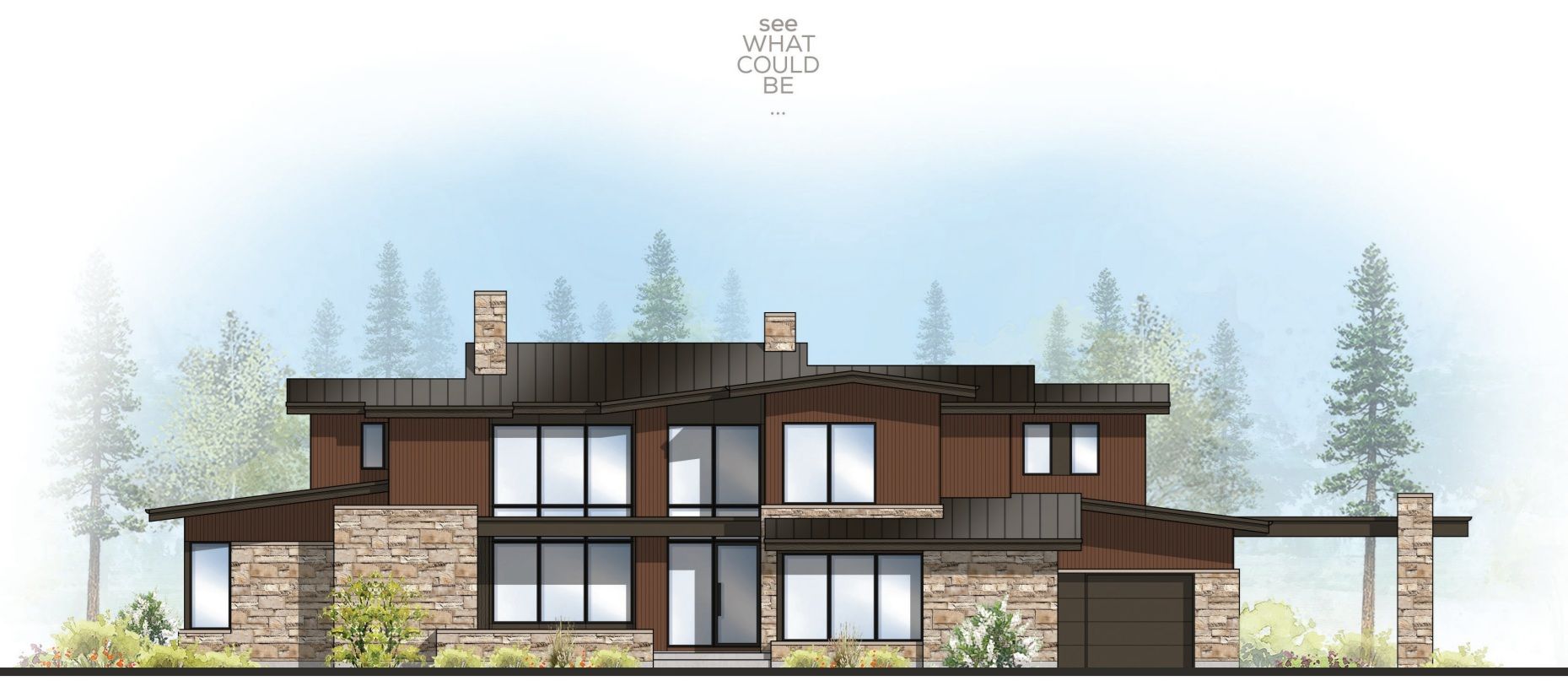
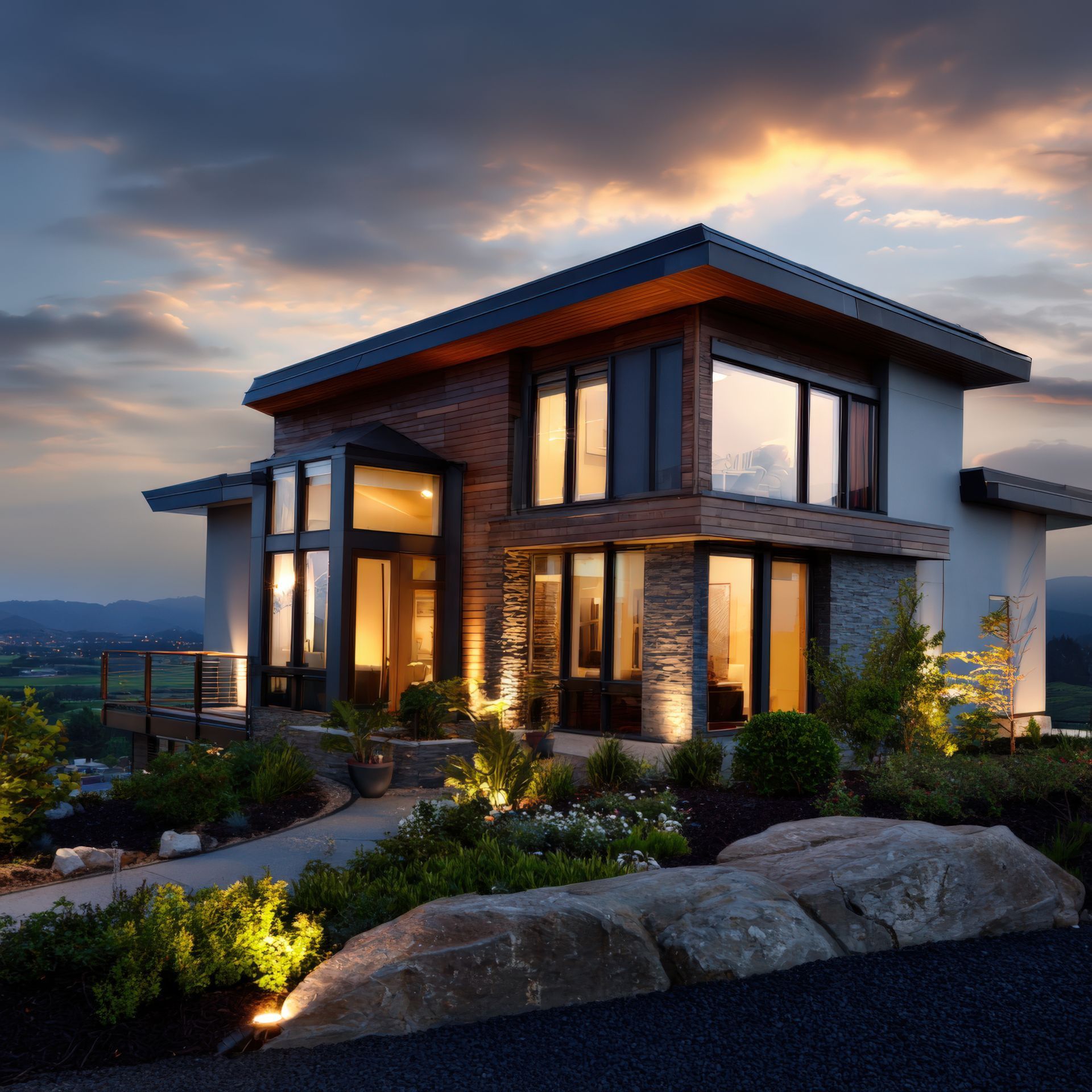
Mountain modern cabin design is characterized by its clean lines, open spaces, and integration with the natural environment. This style emphasizes a minimalist aesthetic, often incorporating large windows to maximize natural light and provide stunning views of the surrounding landscape. The design philosophy focuses on blending modern architectural elements with rustic materials, creating a harmonious balance between contemporary and traditional influences. Homeowners are drawn to mountain modern designs for their ability to create a serene and inviting atmosphere while maintaining functionality.
Which Architectural Features Characterize Mountain Modern Design?
Key architectural features of mountain modern design include:
- Clean Lines and Minimalism: The design often features simple, geometric shapes that create a sleek appearance.
- Large Glazing for Natural Light: Expansive windows and glass doors are common, allowing for abundant natural light and a connection to the outdoors.
- Open Floor Plans: These designs typically incorporate open layouts that promote flow and spaciousness, making them ideal for social gatherings.
These features not only enhance the aesthetic appeal but also contribute to a sense of tranquility and connection with nature.
How Do Materials Like Wood, Stone, and Metal Shape Mountain Modern Homes?
The materials used in mountain modern homes play a crucial role in defining their character. Natural woods, such as cedar and pine, are often used for siding and interior finishes, providing warmth and texture. Incorporating native stone adds a rustic touch, grounding the design in its natural surroundings. Additionally, steel accents are frequently employed to introduce a modern edge, creating a striking contrast with the organic materials. This thoughtful combination of materials enhances both the visual appeal and the durability of the home, ensuring it withstands the elements while remaining stylish.
What Are the Key Characteristics of Traditional Mountain Cabin Design?
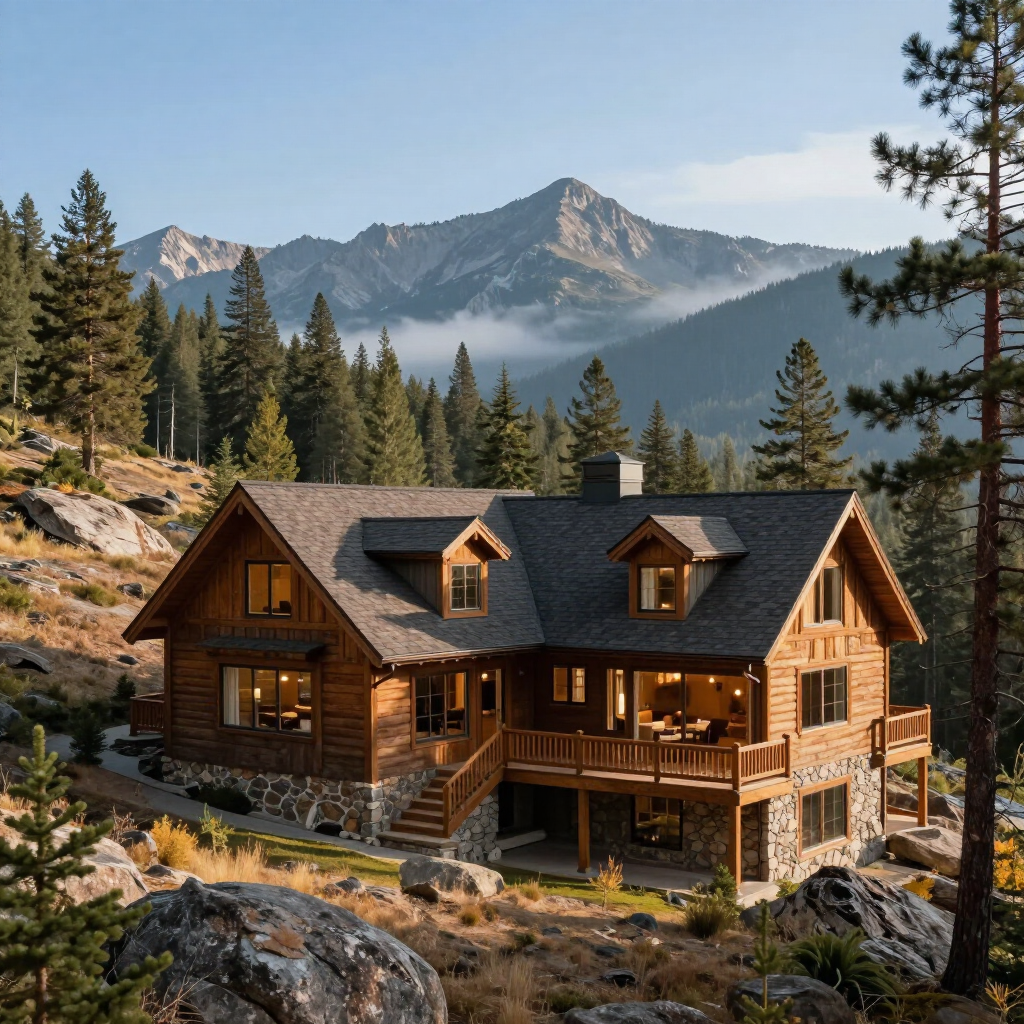
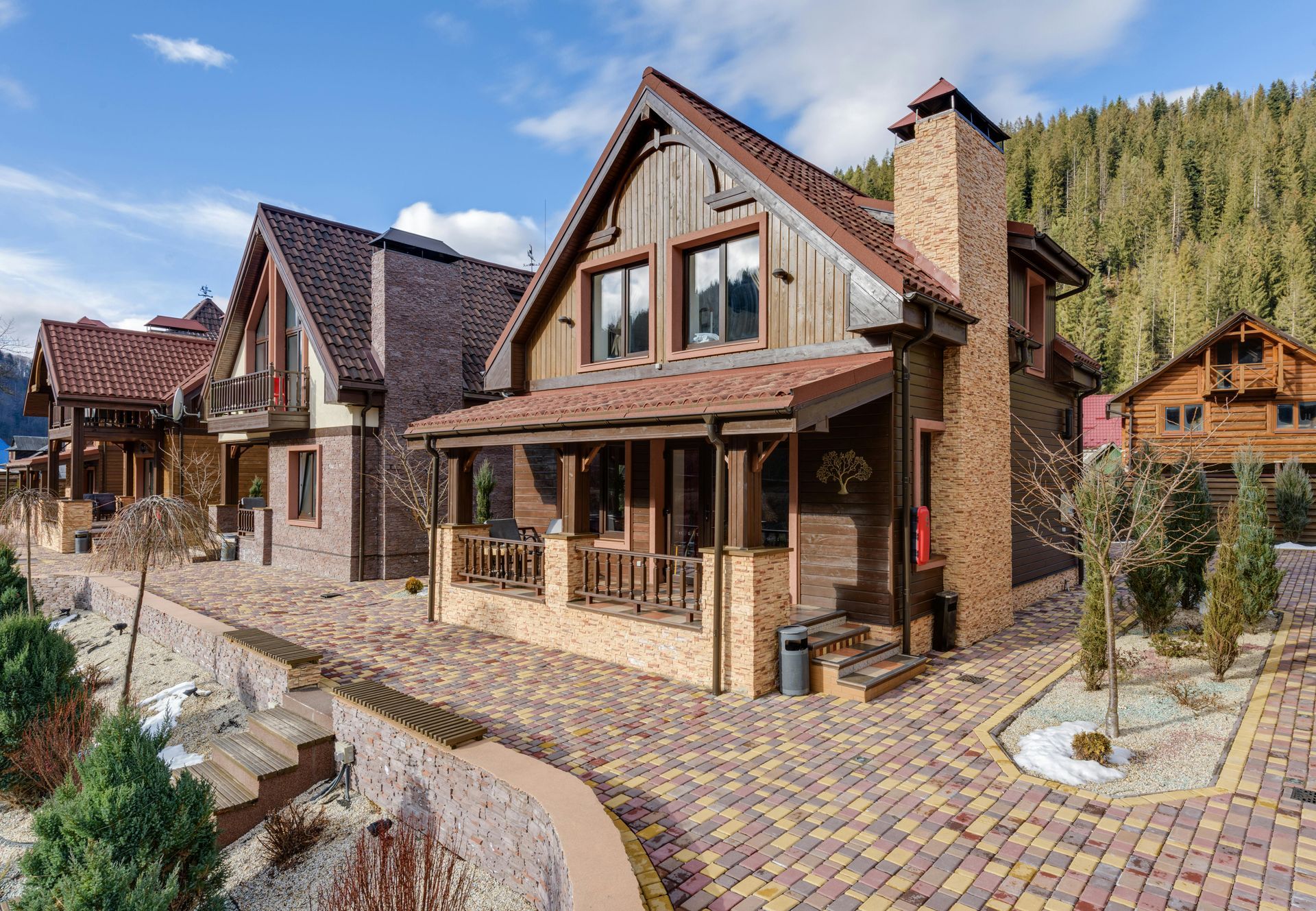
Traditional mountain cabin design evokes a sense of nostalgia and warmth, often characterized by its rustic charm and cozy atmosphere. These cabins typically feature heavy timber construction, stone elements, and a lodge-like feel that invites relaxation and comfort. Homeowners who prefer traditional designs often appreciate the craftsmanship and timeless appeal that these cabins offer, making them a popular choice for those seeking a classic mountain retreat.
Which Rustic Features Distinguish Traditional Mountain Cabins?
Rustic features that distinguish traditional mountain cabins include:
- Heavy Timber Construction: Exposed beams and log walls create a sturdy and inviting structure.
- Stone Elements: Fireplaces and foundations made from local stone enhance the cabin's connection to the landscape.
- Lodge-like Atmosphere: The overall design fosters a warm and welcoming environment, perfect for family gatherings and relaxation.
These elements contribute to the cabin's charm, making it a beloved choice for many homeowners.
What Materials Are Commonly Used in Traditional Mountain Cabin Construction?
Traditional mountain cabins often utilize materials that reflect their rustic aesthetic. Commonly used materials include:
- Natural Wood: Logs or timber are frequently used for both structural and decorative purposes, providing warmth and character.
- Stone: Local stone is often incorporated into the foundation and fireplaces, enhancing the cabin's connection to its surroundings.
- Insulation Materials: High-quality insulation is essential for maintaining comfort in mountain climates, ensuring that cabins remain cozy year-round.
These materials not only enhance the cabin's aesthetic but also contribute to its durability and energy efficiency.
How Do Mountain Modern and Traditional Mountain Cabin Designs Compare?
When comparing mountain modern and traditional mountain cabin designs, several key differences emerge. Each style offers distinct visual and functional characteristics that cater to different homeowner preferences.
What Are the Visual and Functional Differences Between the Two Styles?
The visual and functional differences between mountain modern and traditional designs can be summarized as follows:
- Aesthetic Differences: Mountain modern designs feature sleek lines and contemporary materials, while traditional cabins emphasize rustic charm and heavy timber construction.
- Functional Layout Differences: Modern designs often prioritize open floor plans and large windows, whereas traditional cabins may have more compartmentalized spaces that enhance coziness.
- User Experience: Homeowners seeking a contemporary lifestyle may prefer the open and airy feel of mountain modern homes, while those desiring a nostalgic retreat may gravitate towards the warmth of traditional cabins.
These differences highlight the importance of aligning design choices with personal preferences and lifestyle needs.
Which Style Offers Better Energy Efficiency for Colorado Homes?
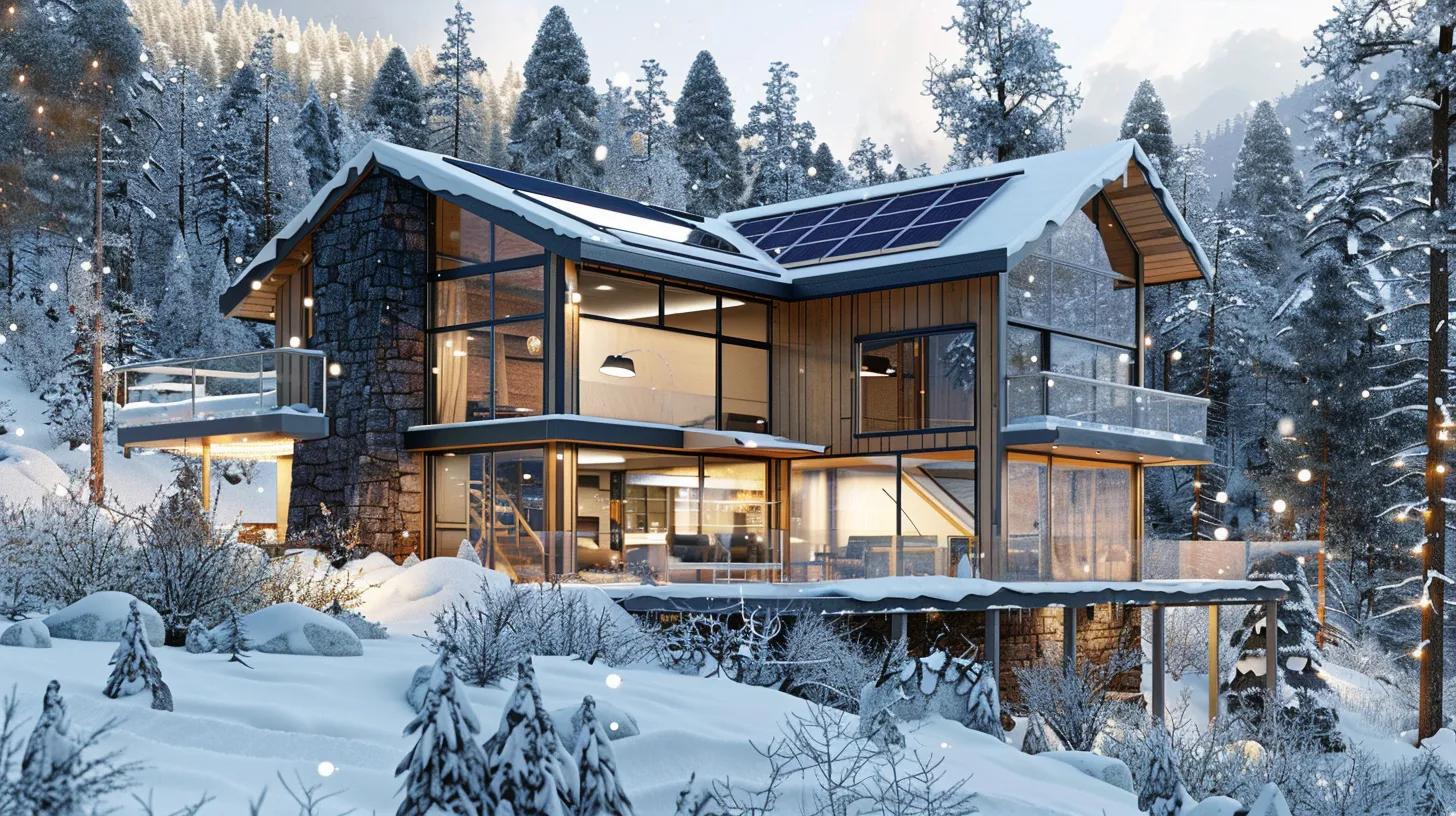
Energy efficiency is a critical consideration for homeowners in Colorado, where climate conditions can vary significantly. Mountain modern designs often incorporate advanced building techniques and materials that enhance energy efficiency. Features such as high-performance windows, proper insulation, and energy-efficient appliances contribute to lower energy consumption and reduced utility bills. In contrast, traditional cabins may require additional retrofitting to achieve similar energy efficiency levels, as they often rely on older construction methods.
Programs like Energy Smart Colorado have been instrumental in promoting and funding energy efficiency initiatives in the state's mountain regions.
Energy Smart Colorado Mountain Home Efficiency
Energy Smart Colorado is an energy efficiency program established in 2011 in the central mountain region of Colorado. The program was funded through a grant of $4.9 million, awarded in August 2010 by the U.S. Department of Energy’s Better Buildings Program. As primary grant recipient, Eagle County coordinated program activities, managed the budget, and reported results.
DOE Better Buildings Neighborhood Program, Energy Smart Colorado: Resort Communities Retrofit Program, 2014
What Are the Regional Adaptations for Mountain Homes in Colorado?
Designing mountain homes in Colorado requires careful consideration of regional factors, including climate, terrain, and local building codes. These elements significantly influence design choices and material selection.
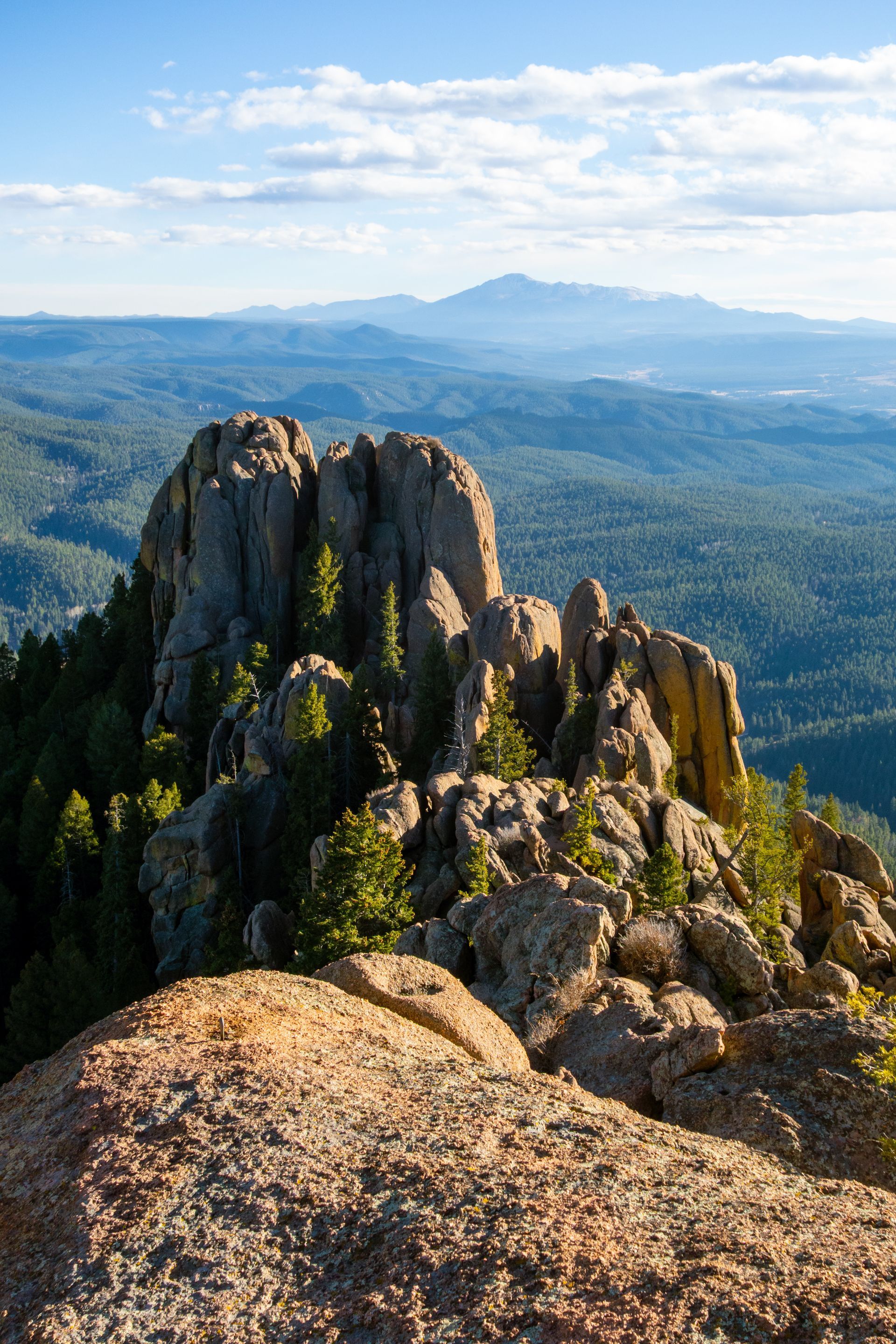
How Do Climate and Terrain Influence Design Choices in Sedalia, Vail, and Breckenridge?
In regions like Sedalia, Vail, and Breckenridge, climate and terrain play a pivotal role in shaping design decisions. Homeowners must consider:
- Climate Impacts on Materials: The use of weather-resistant materials is essential to withstand snow, rain, and temperature fluctuations.
- Terrain Considerations for Layout: Homes may need to be designed with sloped lots in mind, ensuring stability and accessibility.
- Local Architectural Styles: Incorporating elements that reflect local architectural traditions can enhance the home's integration into its surroundings.
These considerations ensure that mountain homes are not only beautiful but also functional and resilient.
What Materials and Techniques Enhance Durability in Colorado Mountain Homes?
To enhance durability in Colorado mountain homes, builders often employ specific materials and techniques. Key strategies include:
- Weather-Resistant Materials: Using materials that can withstand harsh weather conditions, such as fiber cement siding and metal roofing, is crucial for longevity.
- Construction Techniques for Durability: Techniques such as proper drainage and elevated foundations help protect homes from moisture and snow accumulation.
- Maintenance Considerations: Selecting low-maintenance materials can reduce the need for frequent repairs, ensuring the home remains in excellent condition over time.
These strategies contribute to the overall resilience and longevity of mountain homes in Colorado.
What Are the Cost Considerations for Building Mountain Modern vs. Traditional Cabins?
When planning to build a mountain home, understanding the cost implications of different design choices is essential. Both mountain modern and traditional cabins come with unique financial considerations.
How Do Material and Design Choices Impact Construction Budgets?

Material and design choices significantly impact construction budgets. Factors to consider include:
- Material Costs: The choice of high-quality materials, such as sustainably sourced wood and energy-efficient windows, can increase initial costs but may lead to long-term savings.
- Design Complexity: More intricate designs may require additional labor and time, affecting overall construction costs.
- Budgeting Tips: Homeowners should prioritize essential features and consider phased construction to manage costs effectively.
By understanding these factors, homeowners can make informed decisions that align with their financial goals.
What Are Typical Price Ranges for Custom Mountain Homes in Colorado?
The price ranges for custom mountain homes in Colorado can vary widely based on design, materials, and location. On average, homeowners can expect to invest:
- Mountain Modern Homes: Prices typically range from $300 to $500 per square foot, depending on the complexity of the design and materials used.
- Traditional Cabins: Costs may range from $250 to $450 per square foot, influenced by the choice of rustic materials and construction techniques.
- Factors Affecting Pricing: Location, site preparation, and local labor costs can also impact the final price.
Understanding these price ranges helps homeowners set realistic budgets for their mountain home projects.
How Does the Design-Build Process Work with Modern Mountain Home Builders in Colorado?
The design-build process is a collaborative approach that streamlines the construction of mountain homes. This method emphasizes communication and teamwork between homeowners and builders, ensuring that the final product aligns with the homeowner's vision.
What Steps Are Involved in Collaborating with Iron and Branch Design Build?
Collaborating with Iron and Branch Design Build involves several key steps:
- Initial Consultation: Homeowners meet with the design team to discuss their vision, preferences, and budget.
- Design Phase: The team creates detailed plans that incorporate the homeowner's input, ensuring that the design reflects their style and needs.
- Construction Phase: Once the design is finalized, the construction team begins building the home, maintaining open communication throughout the process.
This collaborative approach fosters a sense of partnership, resulting in a home that truly reflects the homeowner's desires.
How Does Client Collaboration Influence Final Home Design?
Client collaboration plays a crucial role in shaping the final design of the home. Homeowners are encouraged to provide feedback throughout the process, allowing for adjustments based on their preferences. This iterative approach ensures that the final design meets the homeowner's expectations and enhances their overall satisfaction with the project. By prioritizing client input, Iron and Branch Design Build creates homes that resonate with the unique lifestyles and tastes of Colorado homeowners.
What Are Notable Portfolio Highlights of Mountain Modern and Traditional Cabins?
Iron and Branch Design Build has a diverse portfolio showcasing both mountain modern and traditional cabin designs. These projects exemplify the company's commitment to quality craftsmanship and innovative design.
Which Projects Showcase Successful Mountain Modern Designs?
Notable mountain modern projects include:
- The Vail Retreat: This home features expansive glass walls that offer breathtaking views of the mountains, combined with a sleek, minimalist interior.
- The Breckenridge Escape: A perfect blend of modern aesthetics and rustic materials, this cabin incorporates local stone and wood to create a warm, inviting atmosphere.
- The Sedalia Sanctuary: This project emphasizes sustainability with energy-efficient features and a design that harmonizes with the natural landscape.
These projects highlight the versatility and appeal of mountain modern design.
What Traditional Cabin Projects Demonstrate Craftsmanship and Style?
Iron and Branch Design Build has also completed several traditional cabin projects that showcase exceptional craftsmanship:
- The Timberline Lodge: This cabin features heavy timber construction and a stunning stone fireplace, creating a cozy and inviting space.
- The Rustic Retreat: With its charming log walls and warm interior finishes, this cabin embodies the essence of traditional mountain living.
- The Heritage Cabin: This project emphasizes classic design elements, including a wraparound porch and handcrafted details that reflect the region's history.
These traditional cabins exemplify the artistry and attention to detail that Iron and Branch Design Build brings to each project.
What Do Colorado Homeowners Say About Their Mountain Modern and Traditional Homes?
Homeowner feedback provides valuable insights into the benefits and experiences associated with mountain modern and traditional homes. Many clients express satisfaction with their design choices and the overall building process.
How Have Clients Benefited from Energy Efficiency and Design Choices?
Clients often report significant benefits from their energy-efficient designs, including:
- Energy Savings: Homeowners experience lower utility bills due to the incorporation of energy-efficient features.
- Comfort Improvements: Proper insulation and high-performance windows contribute to a more comfortable living environment year-round.
- Design Satisfaction: Many clients appreciate the aesthetic appeal of their homes, which enhances their overall enjoyment of the space.
These benefits underscore the importance of thoughtful design in creating functional and beautiful mountain homes.
What Are Common Homeowner Experiences with Iron and Branch Design Build?
Homeowners frequently share positive experiences with Iron and Branch Design Build, highlighting:
- Client Feedback: Many clients commend the team's professionalism and responsiveness throughout the building process.
- Project Management Experiences: Homeowners appreciate the seamless coordination between design and construction, resulting in timely project completion.
- Final Design Satisfaction: Clients often express pride in their homes, noting that the final product exceeds their expectations.
These testimonials reflect the company's commitment to delivering exceptional service and quality craftsmanship in every project.
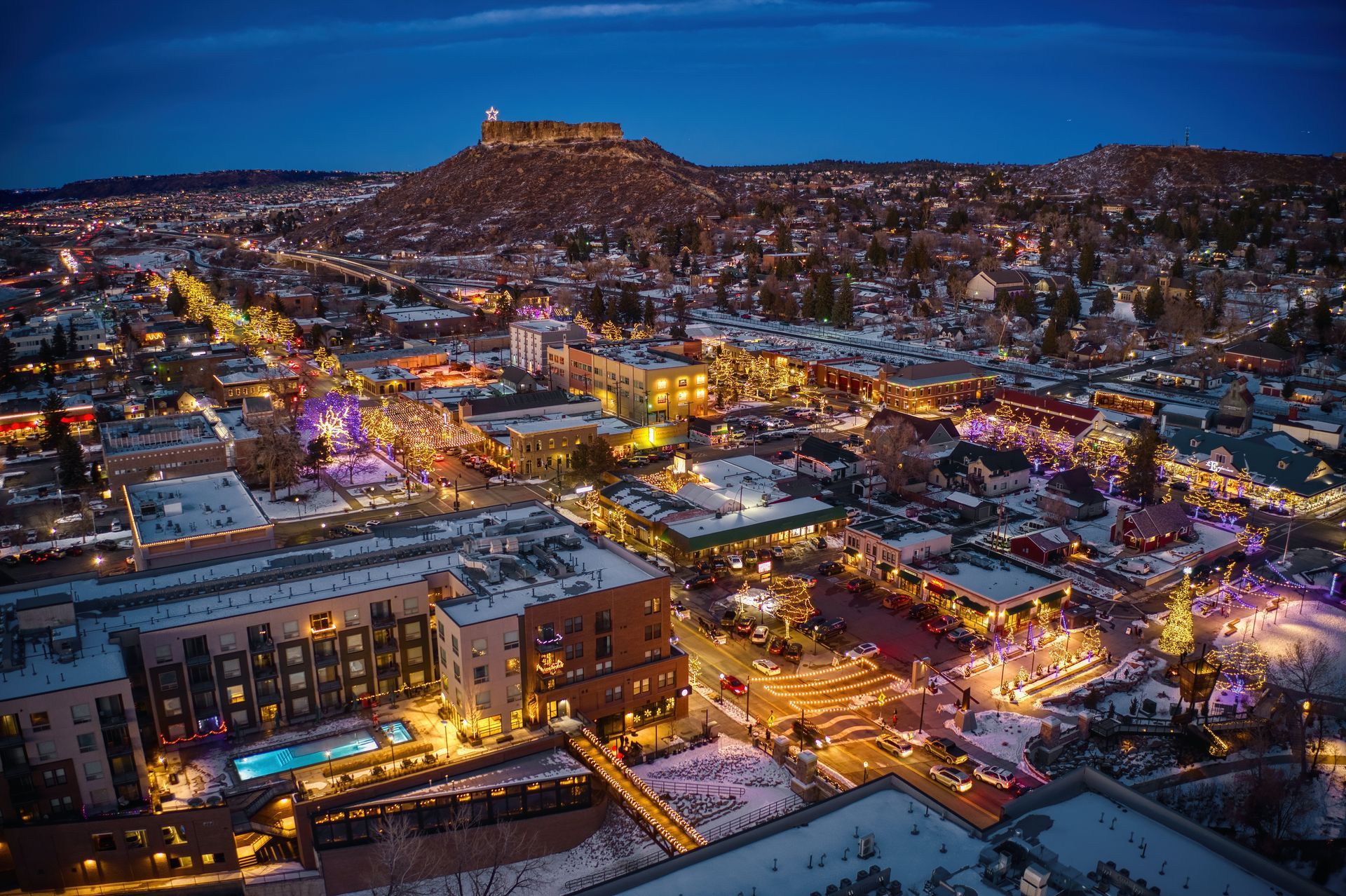
For homeowners in Sedalia, exploring Iron and Branch Design Build can provide tailored solutions to meet their specific needs.