By Travis Dunkum
•
April 4, 2026
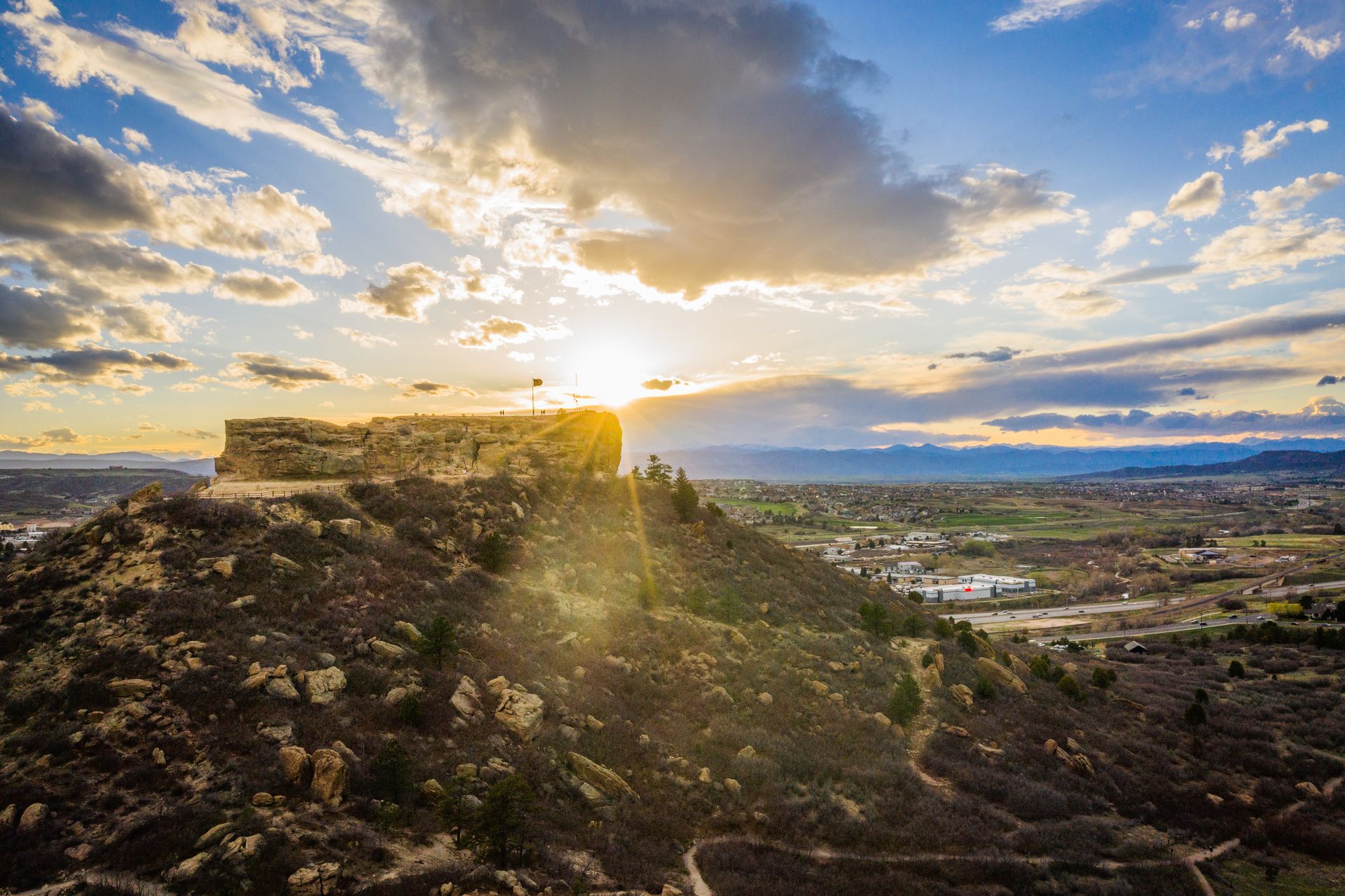
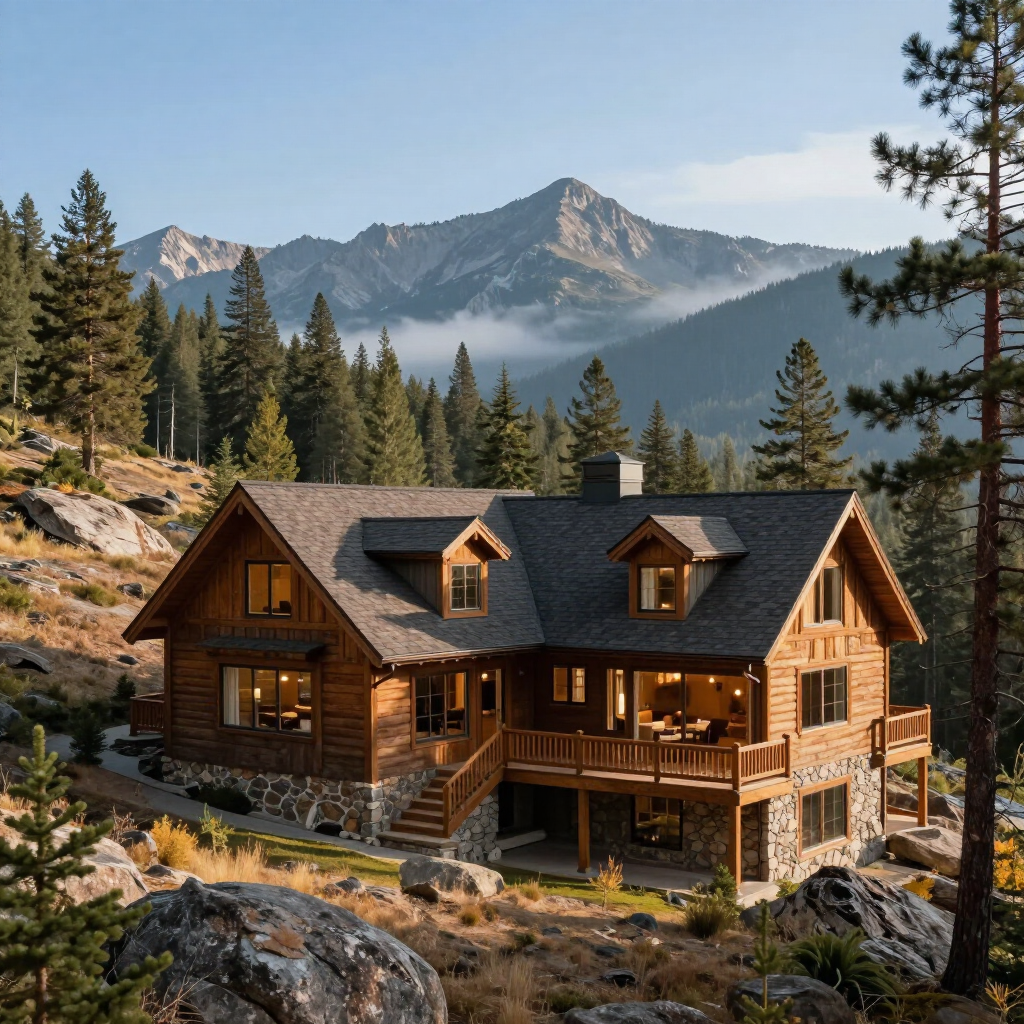
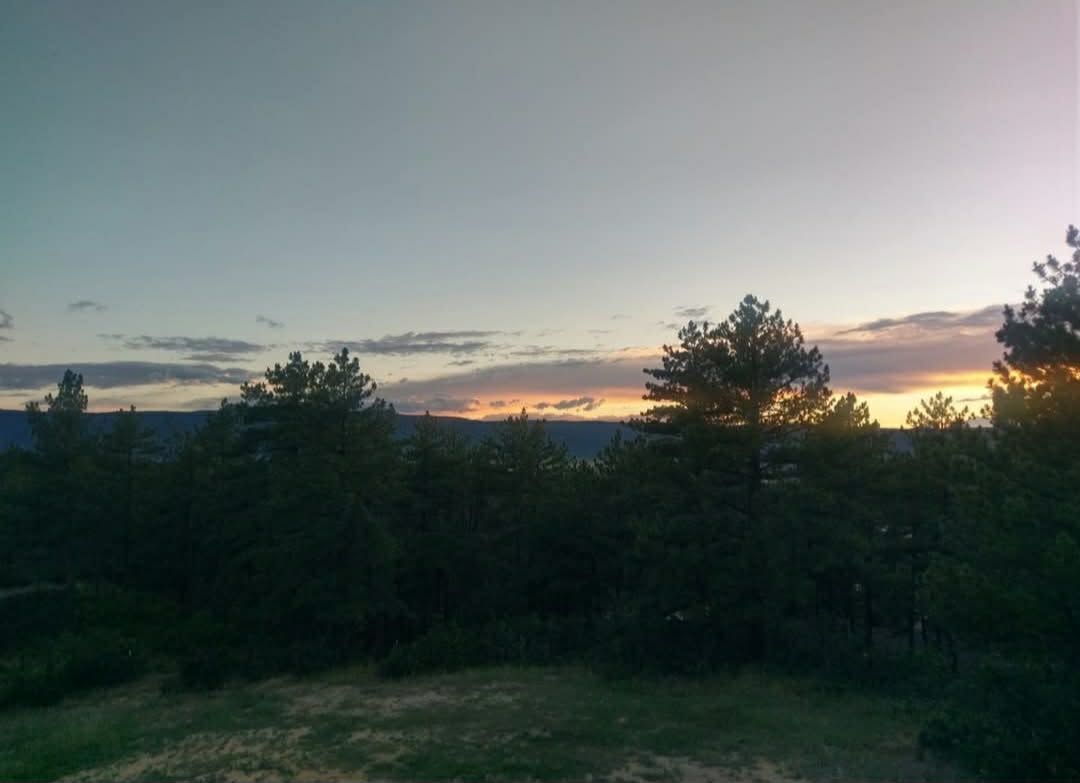
Douglas County, Colorado — including communities like Sedalia and Castle Rock — offers an excellent combination of landscape, local services, and neighborhood character for custom and luxury homes. Below we explain why the area is well suited to custom homebuilding, what to expect from the local market, and how the building process typically unfolds. You’ll find practical information about lifestyle, demographics, and construction steps to help you make informed choices. Many homeowners seek a balance of convenience, scenic value, and neighborly character; Douglas County delivers on those priorities. We also outline how Iron and Branch Design Build supports clients from planning through final delivery. This guide is written for prospective owners, planners, and design/build clients who want a clear picture of building in Douglas County. We focus on actionable topics: choosing a lot, navigating permits, design priorities for mountain‑edge homes, energy efficiency, and how an integrated design/build team simplifies decisions. Where useful, we note typical choices families make, common trade‑offs, and questions to bring to your consultation. What Makes Douglas County an Ideal Location for Your Custom Home? Positioned between Denver and Colorado Springs, Douglas County gives you regional access without losing a natural, open feel. Panoramic views and varied topography invite custom responses to each site, and active local events and organizations strengthen neighborhood ties. Together, accessibility, scenery, and community engagement make Douglas County a pragmatic and attractive place to build. The county offers a broad range of lot types: suburban parcels with mature yards, semi‑rural acreage, and elevated sites with long views. That variety supports many architectural approaches — from efficient, compact plans to sprawling luxury homes oriented to specific vistas — so you can match design and budget to the site. For buyers who prioritize commuting, schools, or nearby services, Douglas County’s transportation links and local amenities often meet daily needs while keeping you within reach of larger job markets and regional medical and educational centers. It’s a place to balance convenience with the quiet many custom homeowners seek. How Do Douglas County's Community and Lifestyle Enhance Homeownership? Residents using parks and trails in Douglas County, highlighting community life and outdoor living Douglas County blends outdoor recreation with everyday convenience. Trails, parks, and open spaces are easy to reach, while local shops and services handle routine needs. Regular community events and markets help foster a sense of belonging that supports long‑term homeowner satisfaction. Lifestyle factors shape custom home priorities: families often value proximity to schools and play spaces, while empty‑nesters may prefer low‑maintenance yards and single‑level plans. Local programs and seasonal activities make it straightforward to design outdoor living — covered patios, durable landscapes, and usable yards — that reflect how people here actually live. Community engagement also influences neighborhood character and stewardship. Active homeowner associations, volunteer groups, and municipal planning efforts can affect design guidelines, street character, and shared spaces. Early awareness of those expectations reduces friction during approvals and keeps your project on schedule. What Are the Key Demographics and Market Trends in Douglas County? Douglas County has experienced steady growth, drawing families and professionals seeking quality of life. Demand for luxury custom homes is growing alongside interest in energy‑efficient, sustainable design. Buyers increasingly look for homes that perform well and reflect environmental values. The market supports a range of buyers: first‑time custom builders choosing modest bespoke plans, growing families needing extra bedrooms and flexible spaces, and downsizers seeking simplified layouts with high‑end finishes. Each group prioritizes different trade‑offs — budget, maintenance, or accessibility — and designers respond with appropriate plans and material choices. Builders and designers are also focused on lifecycle costs and durability. Homeowners commonly ask about exterior maintenance, long‑term energy costs, and warranty‑backed systems. Those concerns influence specifications, emphasizing products and systems that suit Douglas County’s seasonal climate and elevation. For anyone considering a project, start with a local consultation. A regional professional can assess market conditions and align the process with your priorities. How Does the Custom Home Building Process Work in Douglas County? Clients and builders reviewing plans on site, demonstrating collaboration during the building process Custom home projects in Douglas County follow clear stages to manage risk and ensure quality. Initial Consultation and Design Planning : We discuss your vision, priorities, and budget with a design professional. Obtaining Permits and Construction Management : Navigating local codes and securing permits is essential for compliance and a smooth build. Final Walkthrough and Client Satisfaction : A final inspection confirms the home meets your expectations before handover. A staged, transparent process reduces surprises and helps ensure the finished home reflects the owner’s objectives. Those broad stages contain useful sub‑steps to anticipate: site survey and soils testing before final design; schematic design and budget checks to align scope; phased permitting where drawings are submitted in logical groupings; and a construction schedule organized by milestones (foundation, framing, enclosure, systems, finishes). Knowing these checkpoints helps homeowners track progress and make timely selections. Clear documentation — budgets, change‑order procedures, and schedule updates — preserves trust and limits scope creep. Iron and Branch Design Build typically provides milestone schedules and regular progress reports so clients know what decisions are pending and when trades will be on site. What Are the Essential Steps in Building a House in Douglas County? Successful builds start with disciplined planning and execution. These core steps form the foundation of a good project. Pre-Construction Planning : Choose a suitable lot, finalize design direction, and set a realistic budget. Design and Selections : Work with designers to pick materials, layouts, and finishes that reflect your priorities. Compliance with Local Building Codes : Understand and meet local regulations to avoid delays and ensure safety. Following these steps sets clear expectations and reduces costly changes during construction. Pre‑construction planning should also consider site access for equipment, seasonal weather windows that affect exterior work, and a contingency for unforeseen site conditions. During selections, make a prioritized finish list — must‑have, want, optional — to keep choices aligned with budget as construction progresses. Compliance often benefits from early meetings with municipal planning and building departments. Pre‑application discussions can clarify zoning, setbacks, and design guidelines before final drawings, reducing redesign needs after permit submission and shortening overall timelines. How Does Iron and Branch Design Build Integrate Design and Construction? Iron and Branch Design Build brings design and construction together under one team to simplify decisions and keep quality consistent. Serving as a single point of contact reduces handoffs and aligns schedule, budget, and design intent from concept through completion. The integrated model has pragmatic advantages: design choices can be validated against pricing and build sequencing early, which lowers the risk of expensive late revisions. With designers and builders working together, you get buildability input and alternate material options during schematic design so you can weigh aesthetics against cost and long‑term performance. We document decisions and maintain a single flow for client communications. That reduces duplicated contract administration, simplifies warranty handling, and makes coordination with consultants — landscape architects, structural engineers — more efficient when site conditions demand specialist input. Why Choose Design/Build Services for Your Douglas County Luxury Home? Design/build offers clear advantages for luxury projects in Douglas County. Integrated Team for Design and Construction : One team aligns all aspects of the project from the start, reducing miscommunication. Aligned Budget and Design : Transparent budgeting helps you plan financially with confidence. Client-Centric Focus : The design/build model prioritizes your needs and yields a more personalized home. These benefits help control cost, schedule, and quality for high‑end custom homes. For luxury builds, design/build teams coordinate specialty trades and custom fabricators earlier in the timeline. That early engagement can produce refined outcomes — bespoke millwork, integrated mechanical solutions, and advanced envelope systems — without the delays that often happen when separate design and construction teams negotiate changes late in the schedule. What Are the Advantages of the Design/Build Approach Compared to Traditional Methods? Design/build reduces fragmentation between design and construction and improves coordination. Streamlined Communication : One team handling both design and construction keeps communication efficient and reduces misunderstandings. Cost Control and Quality Assurance : This model supports better budget management and consistent quality oversight. Flexibility in Project Adjustments : Owners can make changes more smoothly during construction, helping ensure the final home meets expectations. Stronger coordination and clearer budget oversight explain why many owners prefer the design/build route for custom projects. Traditional delivery methods still work for certain projects, but they require tighter contract management and more coordination between separate entities. With design/build, many of those coordination tasks are handled internally, often resulting in faster decisions and a single warranty path after completion. How Does Design/Build Ensure Quality Craftsmanship and Client Satisfaction? Quality and client satisfaction are central to the design/build approach. Ongoing Personal Collaboration : Regular client‑builder collaboration keeps the homeowner’s vision front and center. Structured Communication : Clear channels address issues promptly and improve the overall experience. Quality Assurance Through Integrated Teams : One accountable team for both design and construction supports consistent workmanship and higher quality outcomes. A collaborative, accountable team structure helps deliver dependable craftsmanship and satisfied clients. Quality is reinforced with scheduled inspections, trade reviews, and staged sign‑offs at each milestone. Client walkthroughs at pre‑drywall and pre‑paint stages confirm work matches specifications and reduce late rework. Those touchpoints also let builders fine‑tune finish details to meet client preferences. What Local Building Codes and Permits Affect Custom Home Construction in Douglas County? Understanding local codes and permit requirements is an essential part of any custom build in Douglas County. Building Permits and Zoning Regulations : Obtain the permits required to comply with local laws and zoning standards. Inspections and Compliance : Regular inspections during construction ensure adherence to safety and code requirements. Specific Regulations for Mountain Jurisdictions : Homes in steeper, mountain areas may face additional requirements and site considerations. Addressing permits and code requirements early minimizes delays and costly rework. Typical permit tasks include confirming allowable building height and setbacks, arranging erosion control for disturbed soils, and securing approvals for hillside grading. Properties near conservation overlays or open space may need environmental reviews. Working with a design/build team familiar with local permitting can speed approvals and help anticipate mitigation needs. Which Douglas County Regulations Should Homeowners Know Before Building? Before you start, familiarize yourself with key local regulations and procedures. Research Local Building Codes : Understanding local codes helps avoid delays and ensures compliance. Obtain Necessary Permits : Securing the correct permits is essential for lawful construction. Understand Inspection Requirements : Knowing inspection schedules can streamline the process. Proactive compliance planning keeps schedules and budgets on track. Homeowners should also review utility connection procedures, driveway permits, and neighborhood design review processes. Early conversations with utility providers clarify meter locations and trenching needs, while preliminary talks with review boards reveal preferred materials or color palettes that maintain neighborhood character. How Does Compliance Impact Project Timelines and Costs? Compliance with codes and permitting affects both schedule and cost. Collaboration Between Architects and Contractors : Close coordination minimizes delays and ensures requirements are met. Minimized Surprises and Improved Quality : Following regulations reduces unexpected issues during construction. Predictable Project Costs : Knowing compliance requirements up front enables better budgeting and forecasting. Prioritizing compliance reduces costly interruptions and supports reliable project planning. Practical steps to limit compliance delays include building a realistic permit timeline into the project schedule, submitting complete documentation on the first pass, and using local consultants familiar with county reviewers. Tight coordination between designers and permitting offices often shortens review cycles and resolves code interpretations before construction begins. How Can Energy Efficient Home Design Benefit Your Douglas County Dream Home? Energy‑efficient design creates tangible benefits for Douglas County homeowners. Reduced Operating Costs : Better-performing homes typically mean lower utility bills over time. Increased Comfort and Sustainability : Efficient design improves indoor comfort while reducing environmental impact. Enhanced Property Value : Energy features can boost resale appeal and long‑term value. Lower operating costs and improved comfort are clear outcomes of thoughtful energy design. Key measures include high‑performance insulation and air sealing, properly sized efficient HVAC systems, and controls that allow zoning and scheduled operation. Together these reduce energy use and improve occupant comfort. For many homeowners, investing in a higher‑performing envelope or efficient systems pays back through lower operating costs and better interior conditions. What Are the Latest Trends in Sustainable Custom Home Building? Sustainable building in Douglas County follows national trends toward higher performance and lower environmental impact. High-Performance Building Envelopes : Better envelopes improve energy efficiency and durability. Renewable Energy Integration : Solar and other renewables are increasingly common on new homes. Locally Sourced Materials : Using local materials reduces transport emissions and supports regional suppliers. These trends reflect a market preference for durable, efficient, and locally informed choices. Other sustainable practices include water‑efficient landscaping and fixtures, passive solar orientation, and high‑efficiency glazing that balances insulation with daylight. When applied thoughtfully, these measures lower lifecycle impact and simplify long‑term maintenance. How Does Energy Efficiency Influence Long-Term Home Value and Comfort? Energy efficiency supports long‑term value and daily comfort. Lower Operating Costs : Energy‑efficient homes typically have reduced utility expenses, which appeals to future buyers. Increased Comfort : Better temperature control and indoor air quality improve living conditions. Alignment with Environmental Goals : Energy features can be a selling point for buyers who value sustainability. Prioritizing efficiency enhances resale value, occupant comfort, and community sustainability. Many buyers now evaluate total cost of ownership rather than initial price alone. Energy‑efficient systems reduce operating costs and can make homes more attractive on resale. Builders and designers who provide projected performance or third‑party testing results help buyers understand long‑term expectations and make informed decisions. What Do Client Testimonials and Portfolio Highlights Reveal About Douglas County Custom Homes? Client feedback and portfolio examples show how a builder performs in local conditions. Communication and Responsiveness : Clients often highlight clear, timely communication throughout the build. On-Time and On-Budget Performance : Successful projects frequently note the builder’s ability to meet schedule and budget targets. Overall Client Satisfaction : Positive experiences reflect a commitment to quality and client service. Testimonials and completed work give practical evidence of consistent delivery and client focus. When reviewing portfolios, look for homes with similar site conditions and program needs to your project. Pay attention to details like material transitions, rooflines adapted for snow loads, and drainage solutions — these reveal how a builder addresses real site challenges in Douglas County. How Do Client Experiences Reflect the Company’s Commitment to Quality? Client experiences show how a builder’s processes translate into finished homes. Personal Collaboration and Engagement : Clients value builders who involve them and honor their vision. Structured Communication : Consistent updates and clear channels build trust through the project. Quality Assurance Through Integrated Teams : Collaboration between design and construction teams improves final outcomes. Hands‑on collaboration and disciplined oversight are hallmarks of a reliable, quality‑focused builder. Clients frequently point to small service moments — prompt responses, clear budget updates, and useful suggestions that improve function without overspending — as key indicators of a smooth project and a satisfied homeowner. How Can You Schedule a Consultation for Your Custom Home Project in Douglas County? Scheduling a consultation is straightforward. Contact Information for Scheduling : Reach Iron and Branch Design Build at (210) 861-4882 or by email at travis@ironandbranchdesignbuild.com . Importance of Initial Consultation : The first meeting is where we discuss your vision, priorities, and budget. Preparation for the Meeting : Bring ideas, photos, a rough budget, and any site information to make the meeting more productive. A focused consultation speeds decision making and clarifies next steps for your project. When scheduling, consider preparing a short packet with site photos, a target budget range, and inspirational images or sketches. Sharing these in advance lets the design/build team prepare a focused agenda and identify site constraints before you meet. What Is the Consultation Process with Iron and Branch Design Build? Our consultation process is designed to be thorough and client‑centered. Initial Consultation Details : In the first meeting we talk through your goals, style, and budget with the design team. Design Development and Permitting : After the initial meeting we develop concepts and begin the permitting path. Final Walkthrough and Handover : At project completion a final walkthrough confirms the home meets expectations before handover. A staged consultation, design, and permitting plan keeps the project transparent and manageable. Following the initial meeting, Iron and Branch typically sends a follow‑up package with scope options, a preliminary budget range, and a suggested next‑step timeline. That written summary helps you compare alternatives and prepare for formal design engagement if you decide to move forward. What Should Clients Prepare Before Their Initial Meeting? Preparing for your initial meeting makes the consultation more productive. Vision and Priorities : Be ready to describe your goals and the features that matter most. Budget Considerations : A clear sense of your budget helps guide design choices from the start. Questions and Expectations : Bring any questions about process, timelines, and services so we can address them early. Clear priorities and realistic budget parameters enable more accurate planning and proposals. For a seamless experience, explore our design/build services . If you have a specific location in mind, Douglas County presents a range of opportunities. Another option to consider is Sedalia , known for its scenic lots and custom home potential. Frequently Asked Questions What are the benefits of living in Douglas County compared to other Colorado towns? Douglas County offers a balance of accessible urban centers, strong local culture, and abundant outdoor amenities. With scheduled events, well‑planned neighborhoods, and scenic surroundings, it’s a good fit for people who want convenience plus access to nature. Additional advantages include a mix of housing types and thoughtfully designed public spaces that promote neighborhood connections. For buyers seeking both services and open space, Douglas County often strikes a favorable compromise compared to larger urban areas. How can I ensure my custom home is energy efficient? Specify high‑performance materials and assemblies that reduce thermal loss, integrate renewables like solar where appropriate, and choose efficient mechanical systems and appliances. Work with builders experienced in sustainable practices to align orientation, systems, and design for measurable performance. Practical steps include prioritizing continuous insulation and air sealing, properly sizing HVAC equipment, choosing LED lighting and ENERGY STAR appliances, and using orientation strategies that capture winter sun while limiting summer heat gain. What financing options are available for building a custom home in Douglas County? Common options include construction loans that convert to a mortgage at completion. Some lenders offer staged disbursement programs tailored to custom builds. Speak with local banks or mortgage brokers experienced with Douglas County projects to find terms suited to your timeline and budget. When assessing lenders, ask about disbursement schedules, inspection holdbacks, and documentation needs. Early conversations set expectations for equity requirements, appraisal timing, and how change orders affect available funds. What should I consider when choosing a lot for my custom home? Evaluate location, size, topography, and proximity to schools and amenities. Review zoning, setbacks, and easements. Consider solar orientation, views, drainage, and soil conditions, since these factors influence design, foundation needs, and site costs. Also assess utility access, grading or retaining wall costs, and neighborhood covenants that may limit exterior materials and colors. A soils report and preliminary geotechnical review clarify foundation design and any extra costs before you commit. How can I find reputable builders in Douglas County? Research local firms, review portfolios, and read client testimonials. Ask for recent references and schedule interviews to assess communication style, process transparency, and technical skill. Prioritize firms with proven delivery and clear project controls. Request sample contracts, warranty details, and examples of how builders handled unexpected site conditions or design changes. Reviewing past projects with similar scope confirms whether a builder’s experience matches your needs. What role do local building codes play in the construction process? Local building codes set minimum standards for structural, electrical, plumbing, and energy systems. Compliance protects occupants and ensures legal construction. Ignoring codes can lead to delays, fines, or required corrective work, so integrate code review early in design. Working with consultants who routinely build in Douglas County reduces the risk of surprises. Early coordination with code officials and inspectors allows you to address interpretations and adjust designs before permit submission, shortening review cycles. What are the advantages of working with a design/build firm like Iron and Branch Design Build? Design/build consolidates responsibility for design and construction, reducing communication gaps, improving schedule coordination, and aligning budgets. You gain a single point of contact and a unified team accountable for delivering the agreed outcome. Integrated firms give faster feedback on cost impacts during design, suggest alternative solutions that meet performance goals, and coordinate specialty contractors more efficiently. For homeowners who want a single decision path and consistent accountability, design/build is often more predictable. Conclusion Building in Douglas County pairs scenic settings, community amenities, and site variety with strong opportunities for custom design. A streamlined design/build process helps turn your vision into a durable, energy‑conscious home while managing cost and schedule. Engaging experienced professionals like Iron and Branch Design Build provides practical guidance through planning, permitting, and construction. Start by scheduling a consultation with our team to discuss your goals. In short, successful custom homebuilding in Douglas County depends on careful lot selection, realistic budgeting, early attention to permitting, and a collaborative team that prioritizes communication. Preparing for those elements and choosing an integrated design/build partner increases the chances of a smooth build and a finished home that meets both aesthetic and practical needs.